Ponaman Healthcare Consulting: 340B Program Insights & Updates
Posted at 11:17h
in
Uncategorized
by Perfectus
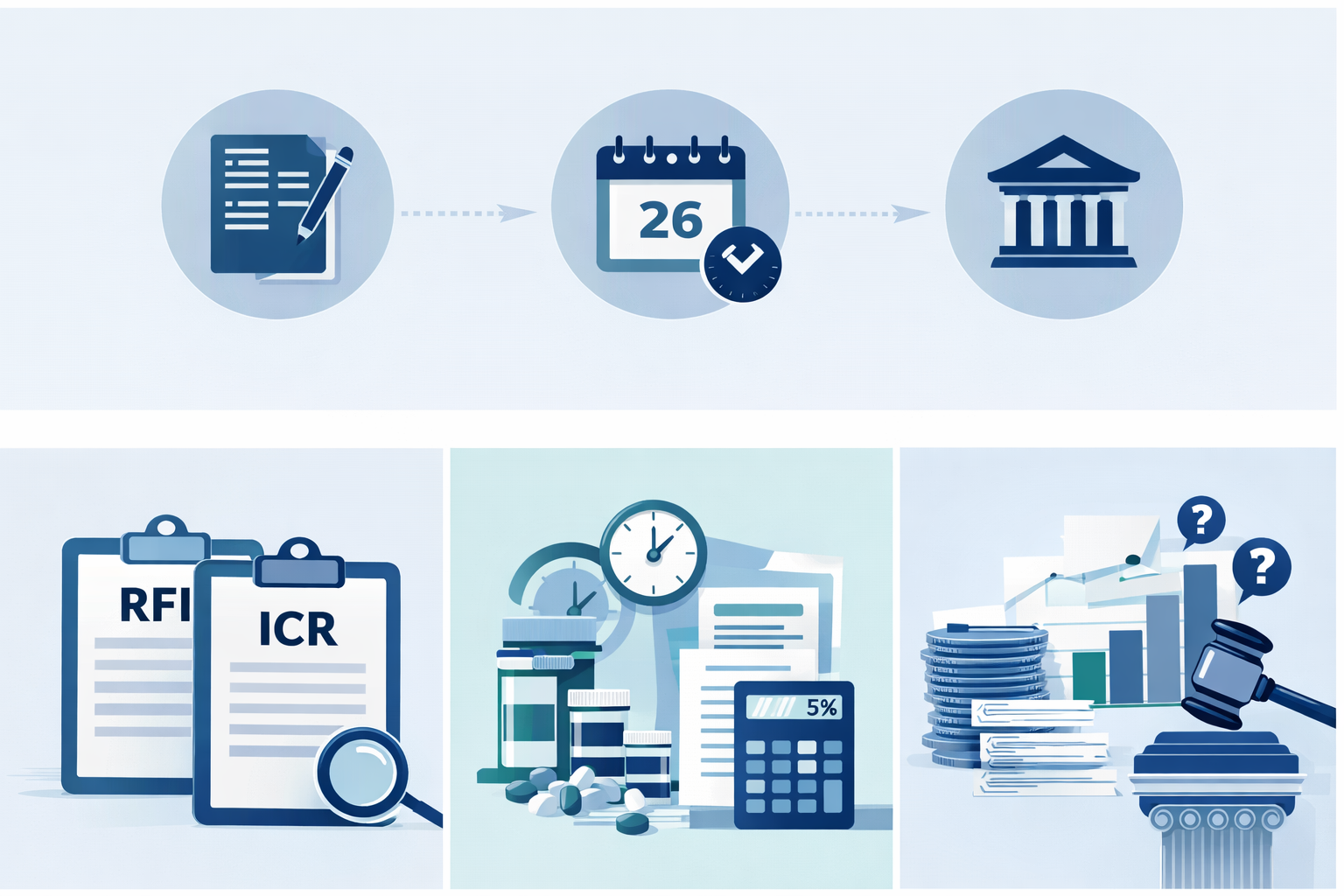
After a brief posting delay, HRSA’s Request for Information (RFI) on a potential new 340B rebate model is now officially open for comment. The RFI deadline has been extended to April 20, 2026.
At the same time, HRSA released a separate Information Collection Request (ICR) estimating the administrative burden...
A federal district court in Washington, D.C. has struck down HRSA’s policy requiring hospital outpatient clinics to appear on a Medicare cost report and be registered in OPAIS before accessing 340B pricing.
In a March 3 decision, the court ruled that HRSA’s registration requirement conflicts with...
Posted at 11:34h
in
Uncategorized
by Perfectus
We want to share a brief update on developments since our last communication regarding the federal court’s decision to halt HRSA’s 340B rebate pilot.
The pause remains in effect.
Following the December 29 court order blocking the rebate pilot from taking effect, HRSA formally paused implementation on...
A major development has changed the near-term outlook for the 340B Rebate Model Pilot.
On December 29, a federal district judge in Maine issued a temporary restraining order blocking HRSA from launching the 340B rebate pilot as planned on January 1. The order applies nationwide and...
Beacon has published the full Data Validations Overview, and this is the document that will determine whether rebate submissions are accepted or denied once the model goes live. It is the most detailed and definitive guidance Beacon has released to date, and several items differ from...
Below is your December pulse-check on all things Beacon and rebate. One more thing: Beacon quietly published its full Data Validations Overview, and it’s hefty. Watch for a separate update soon, we’ll walk you through what changed and what you may need to adjust before...
21 Nov
The Real Cost of the 340B Rebate Model: Why Cash Flow Planning Can’t Wait
The 340B Rebate Model Pilot represents a major shift in how covered entities manage their pharmacy programs. Scheduled for January 1, 2026, certain high-cost drugs will no longer come with upfront 340B...
HRSA’s 340B Rebate Model pilot remains on schedule for January 1, 2026, despite the ongoing federal government shutdown. Beacon Channel Management has issued updated manufacturer guidance, revised its FAQ on November 3, and opened registration for all covered entities.
Key Program Updates
Implementation Date: January 1, 2026...
The 340B Program is facing one of its biggest structural shifts in decades. Potentially starting January 1, 2026, or closely thereafter, HRSA and CMS plan to launch the 340B Rebate Model Pilot, aligning it with Medicare’s Drug Price Negotiation Program (MDPNP) under the Inflation Reduction...
The Audit Environment Is More Aggressive Than Ever
HRSA and manufacturer audits of 340B programs are not slowing down in 2025, and covered entities continue to face increasing scrutiny. In some cases manufacturers have pursued their own. Whether you're a hospital, FQHC, or Ryan White clinic,...
Understanding the 340B Drug Pricing Program
The 340B Drug Pricing Program is a federal initiative designed to enable healthcare providers to stretch scarce federal resources, allowing them to provide more comprehensive services to vulnerable populations. By purchasing outpatient drugs at reduced prices, covered entities can enhance their financial sustainability and improve patient access to medications.
This program plays a crucial role in supporting various healthcare organizations, including hospitals, community health centers, and specialized clinics. Understanding its mechanics, eligibility criteria, and benefits is essential for entities looking to optimize their operations and compliance with federal regulations.
Key Compliance Challenges for 340B Entities
Compliance with the 340B Drug Pricing Program can be complex, with numerous regulations and guidelines that healthcare entities must navigate to avoid penalties. Common challenges include maintaining accurate records, ensuring proper drug inventory management, and adhering to the latest federal updates.
Entities often face scrutiny during audits, necessitating a proactive approach to compliance. By implementing robust policies and regular training for staff, organizations can mitigate risks and enhance their readiness for potential audits, ensuring they remain in good standing within the program.
Recent Changes Impacting the 340B Landscape
The 340B landscape is continually evolving, influenced by legislative changes, court rulings, and shifting industry practices. Recent developments, such as the proposed 340B Rebate Model Pilot set to launch in 2026, highlight the need for covered entities to stay informed and adaptable.
These changes can significantly affect how organizations operate within the 340B framework, including pricing strategies and compliance requirements. Staying updated on these shifts is vital for healthcare providers to maintain their program benefits and navigate the complexities of the healthcare system effectively.
Strategies for Maximizing 340B Program Benefits
To fully leverage the advantages of the 340B Drug Pricing Program, covered entities must develop strategic approaches tailored to their unique operational needs. This includes optimizing purchasing strategies, enhancing patient outreach, and ensuring effective utilization of savings generated through the program.
By employing data analytics and performance metrics, organizations can identify areas for improvement and maximize their impact. Engaging with experienced consultants can also provide valuable insights into best practices and innovative solutions to enhance program performance and compliance.
Understanding the 340B Drug Pricing Program
The 340B Drug Pricing Program is a federal initiative designed to enable healthcare providers to stretch scarce federal resources, allowing them to provide more comprehensive services to vulnerable populations. By purchasing outpatient drugs at reduced prices, covered entities can enhance their financial sustainability and improve patient access to medications.
This program plays a crucial role in supporting various healthcare organizations, including hospitals, community health centers, and specialized clinics. Understanding its mechanics, eligibility criteria, and benefits is essential for entities looking to optimize their operations and compliance with federal regulations.
Key Compliance Challenges for 340B Entities
Compliance with the 340B Drug Pricing Program can be complex, with numerous regulations and guidelines that healthcare entities must navigate to avoid penalties. Common challenges include maintaining accurate records, ensuring proper drug inventory management, and adhering to the latest federal updates.
Entities often face scrutiny during audits, necessitating a proactive approach to compliance. By implementing robust policies and regular training for staff, organizations can mitigate risks and enhance their readiness for potential audits, ensuring they remain in good standing within the program.
Recent Changes Impacting the 340B Landscape
The 340B landscape is continually evolving, influenced by legislative changes, court rulings, and shifting industry practices. Recent developments, such as the proposed 340B Rebate Model Pilot set to launch in 2026, highlight the need for covered entities to stay informed and adaptable.
These changes can significantly affect how organizations operate within the 340B framework, including pricing strategies and compliance requirements. Staying updated on these shifts is vital for healthcare providers to maintain their program benefits and navigate the complexities of the healthcare system effectively.
Strategies for Maximizing 340B Program Benefits
To fully leverage the advantages of the 340B Drug Pricing Program, covered entities must develop strategic approaches tailored to their unique operational needs. This includes optimizing purchasing strategies, enhancing patient outreach, and ensuring effective utilization of savings generated through the program.
By employing data analytics and performance metrics, organizations can identify areas for improvement and maximize their impact. Engaging with experienced consultants can also provide valuable insights into best practices and innovative solutions to enhance program performance and compliance.